 Olivia
 Traveling to Morocco is a sensory adventure, from the vibrant markets of Marrakech and the winding medinas of Fes to the golden dunes of the Sahara. However, as a predominantly Muslim country where modesty is deeply valued, deciding what to pack requires balancing comfort, personal style, and cultural awareness. While there is no legally enforced dress code for tourists, dressing modestly—specifically covering your shoulders, knees, and chest—is highly recommended to show respect and minimize unwanted attention.
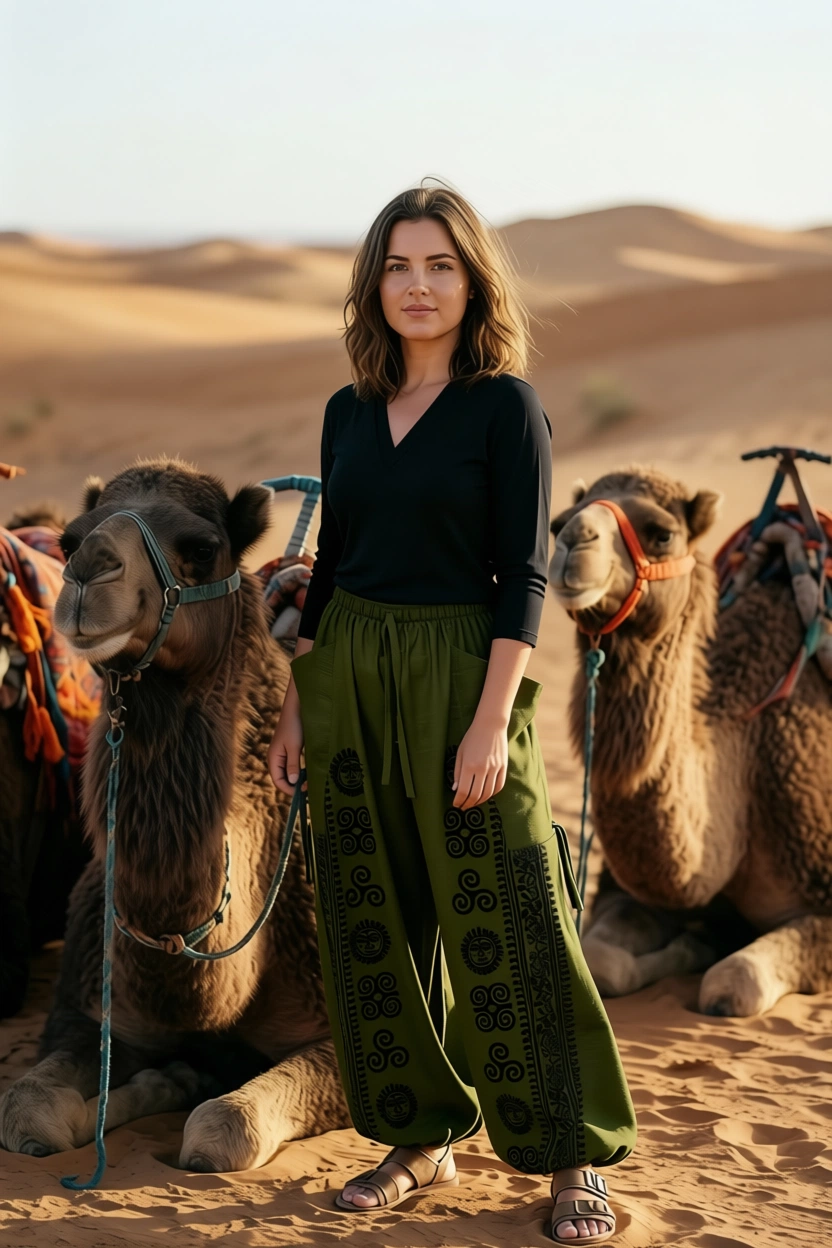
Shop the look:
Morocco’s climate varies drastically, from scorching 100°F+ (38°C) summer days to freezing desert nights. Your best friends are breathable, natural fabrics like linen, cotton, and silk, which keep you cool while providing the necessary coverage.
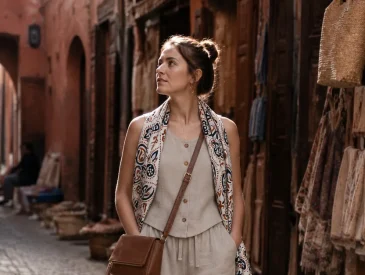
• Maxi and Midi Dresses: These are the gold standard for Moroccan travel. They offer full coverage for your lower half while remaining breezy. Flowy styles are preferred over bodycon to ensure air circulation and cultural appropriateness.
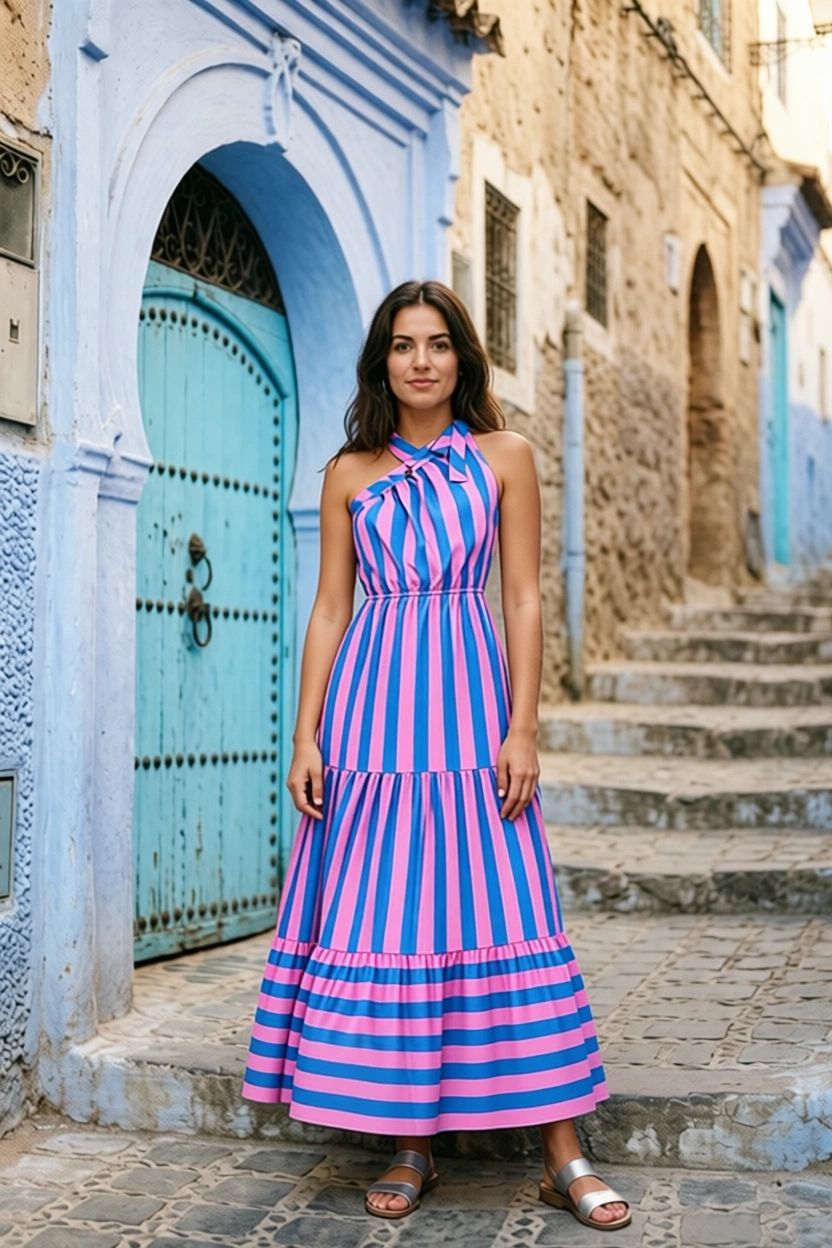
Shop the look:
• Wide-Leg Trousers and Palazzo Pants: Lightweight, loose trousers are incredibly practical for active days in the medina or long car rides. Linen sets—matching trousers with a vest or button-down blouse—are a major trend that provides a cohesive, polished look.
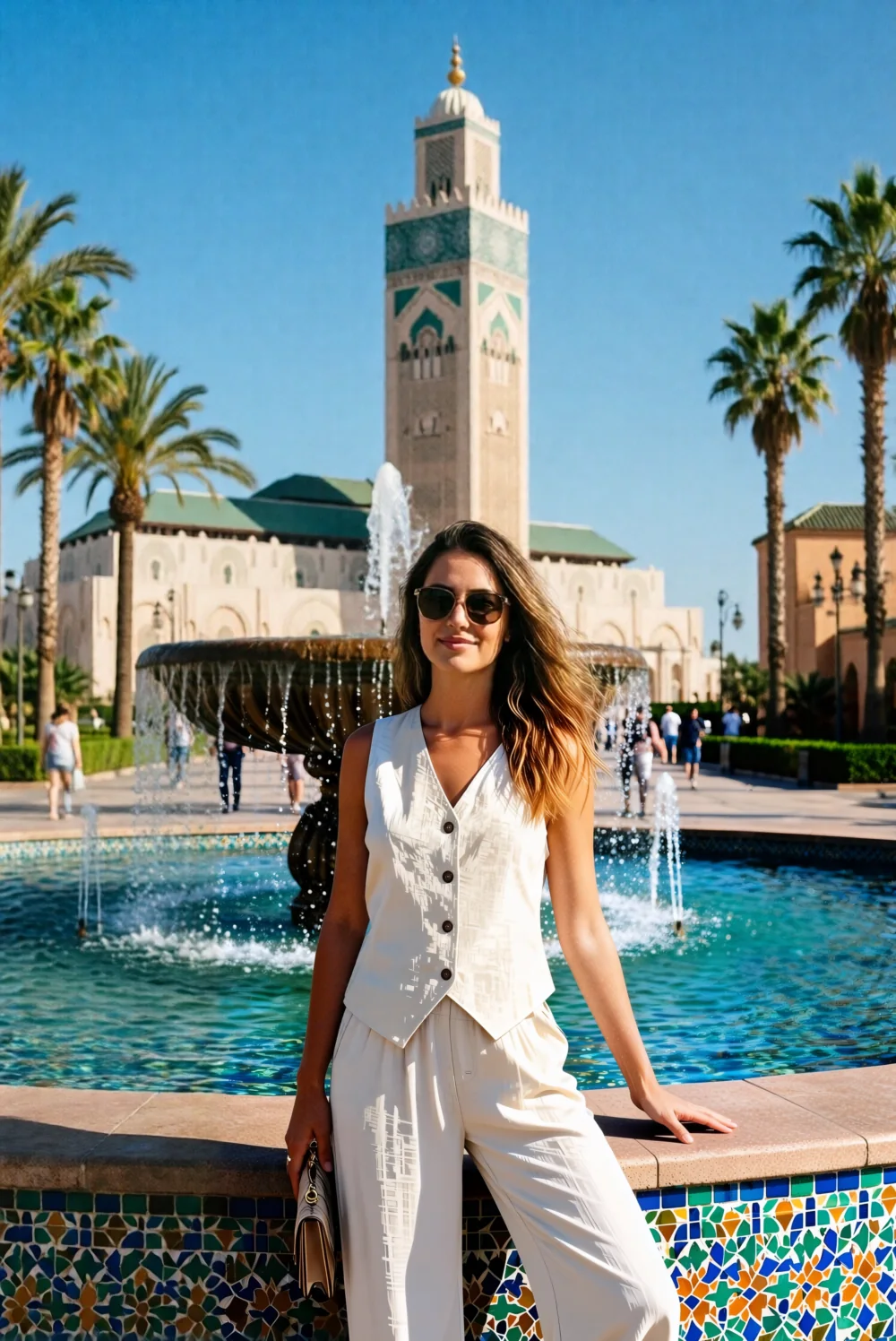
Shop the look:
• The Tunic and Leggings Combo: If you love leggings, pair them with a tunic or long shirt that covers your bum to remain culturally respectful.
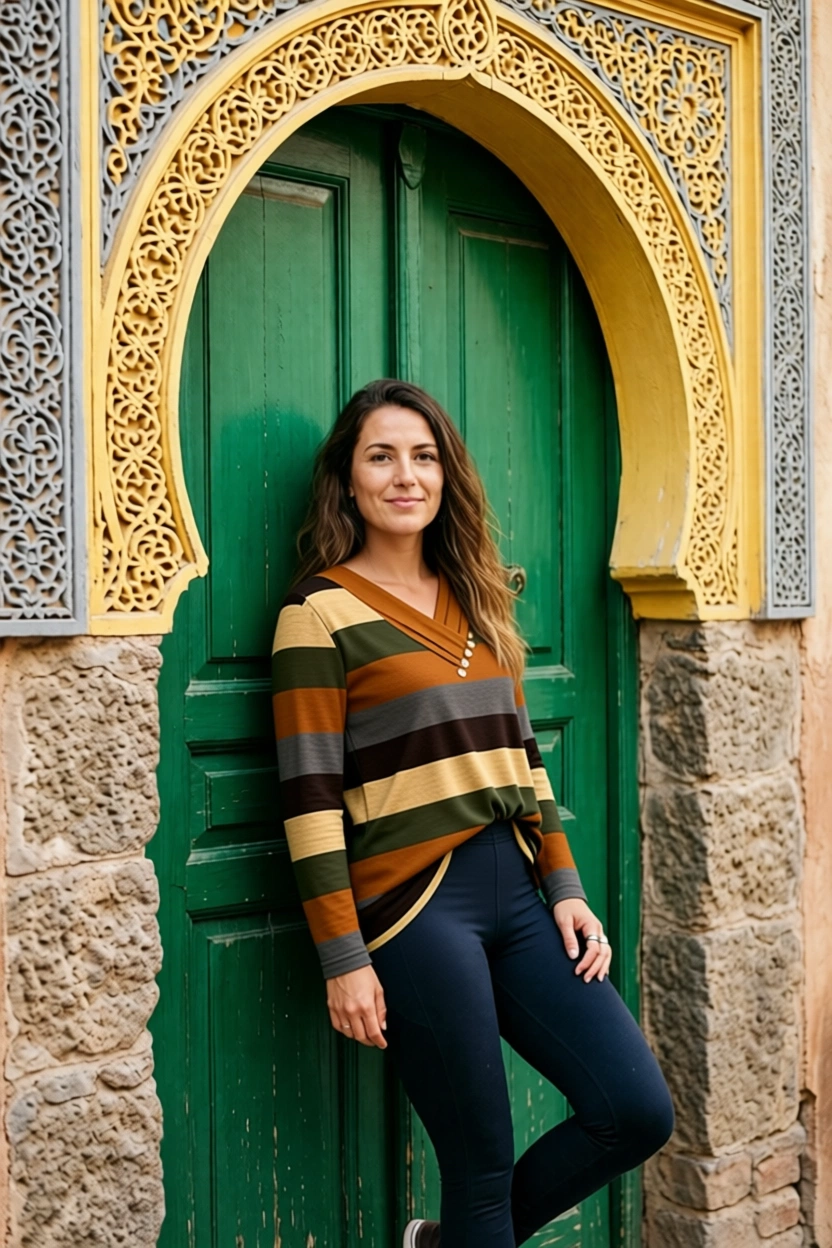
Shop the look:
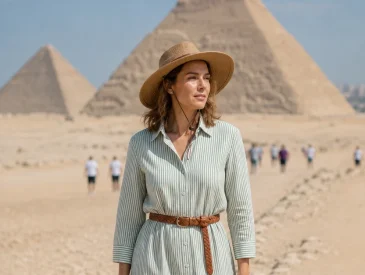
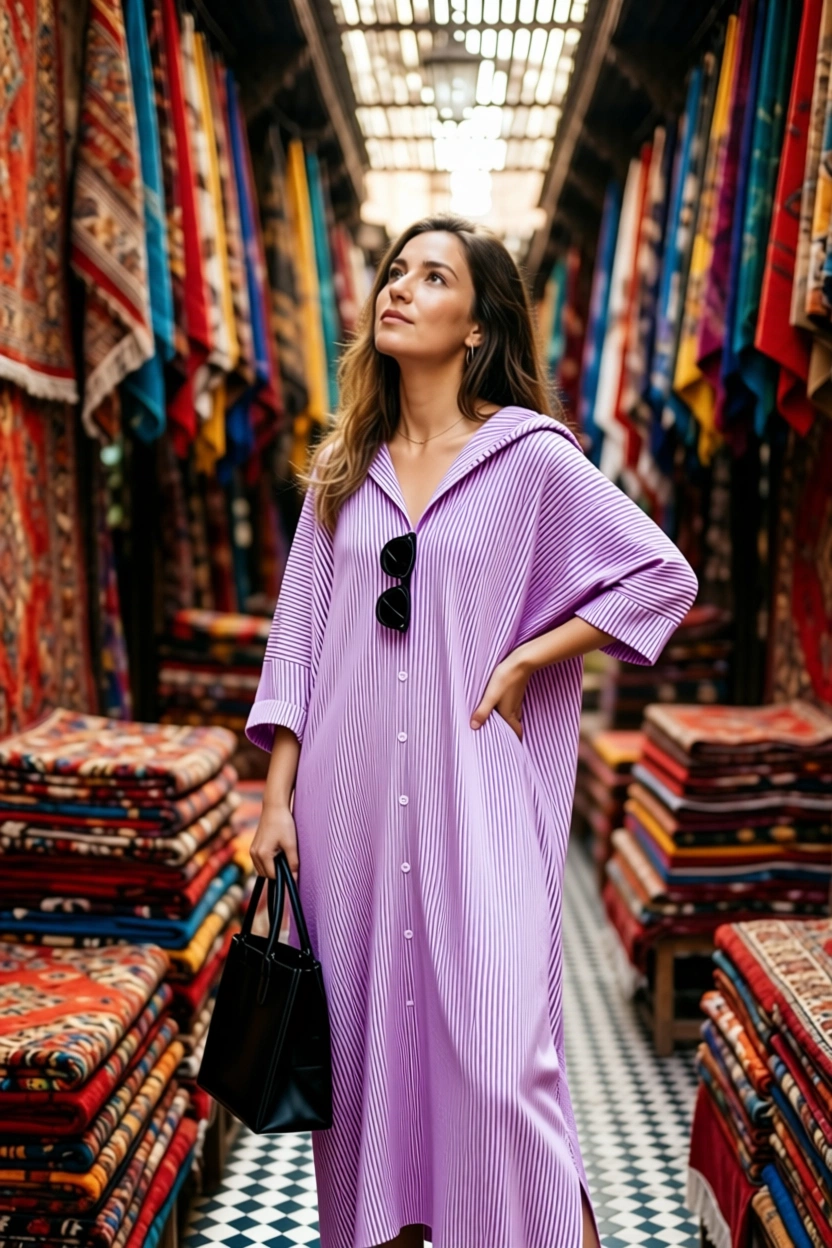
• Modern Utility and Wrap Styles: A belted utility shirt dress or a midi wrap dress is flattering, functional, and transitions easily from daytime sightseeing to rooftop dinners.
Shop the look:
Since temperatures fluctuate between shaded medina streets and open city squares, layering is essential.
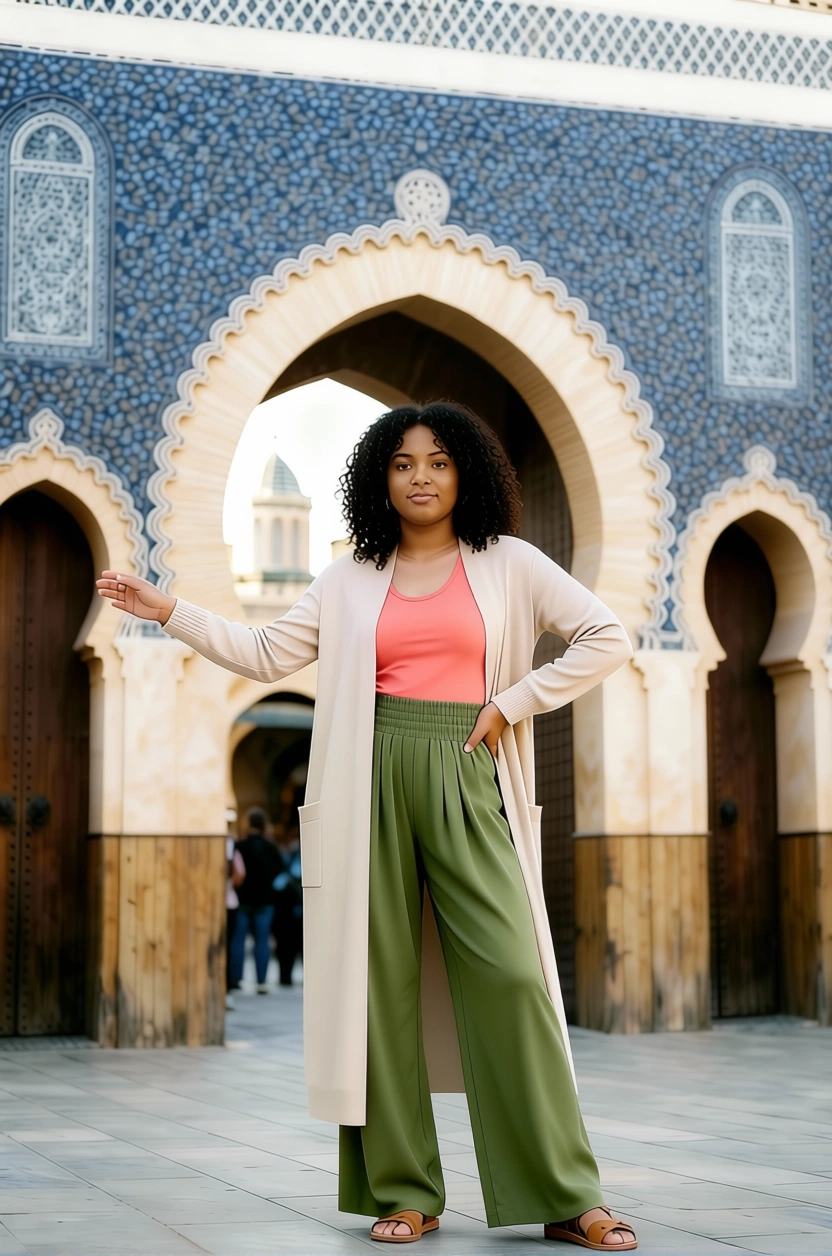
• Kimonos and Dusters: A lightweight kimono can instantly transform a simple tank top or sleeveless dress into an appropriate outfit.
Shop the look:
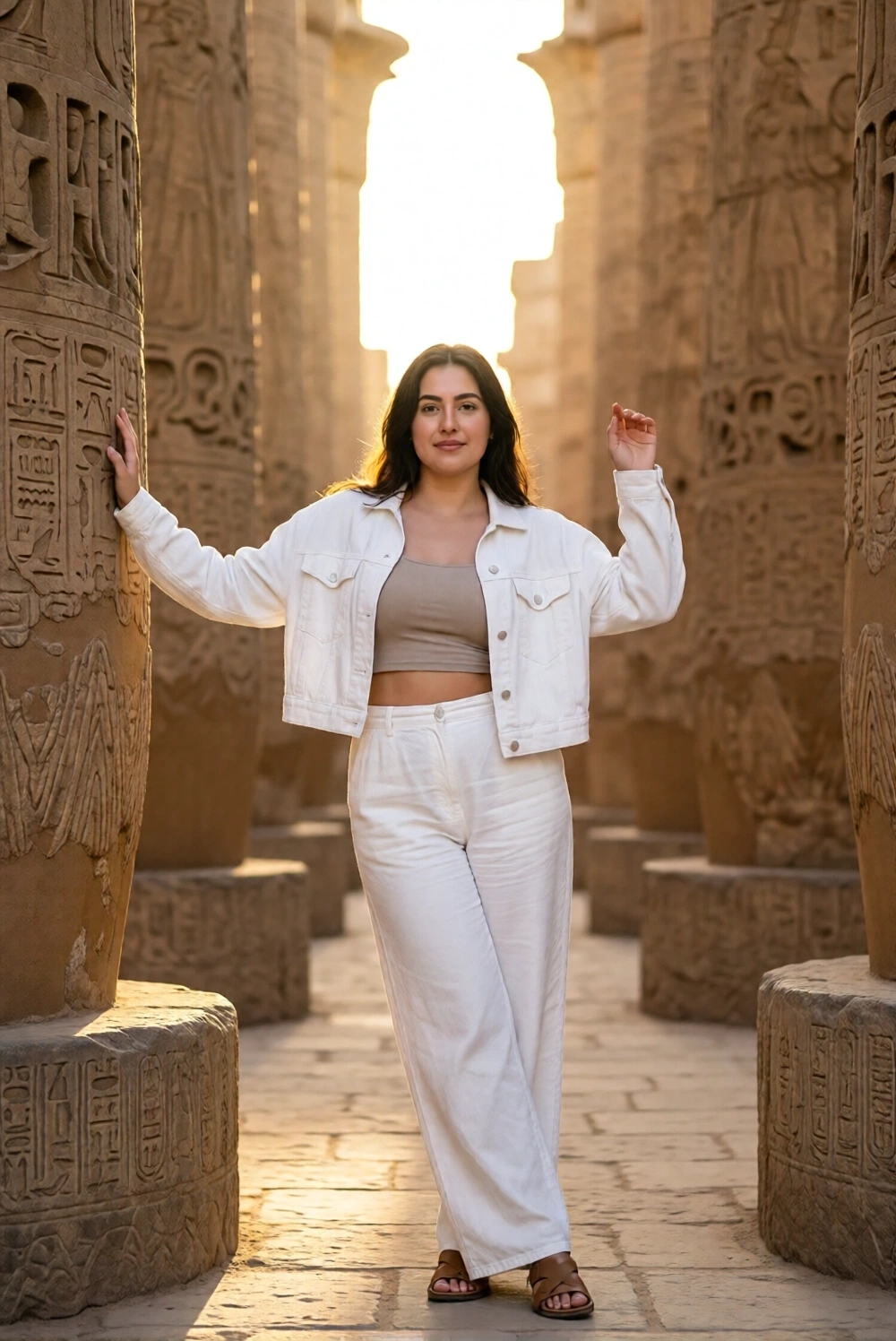
• The Button-Down “Topper”: A white linen or denim button-down shirt is a versatile layer for sun protection or added modesty.
Shop the look:
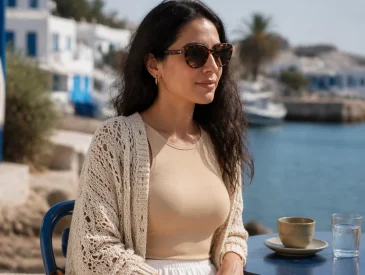
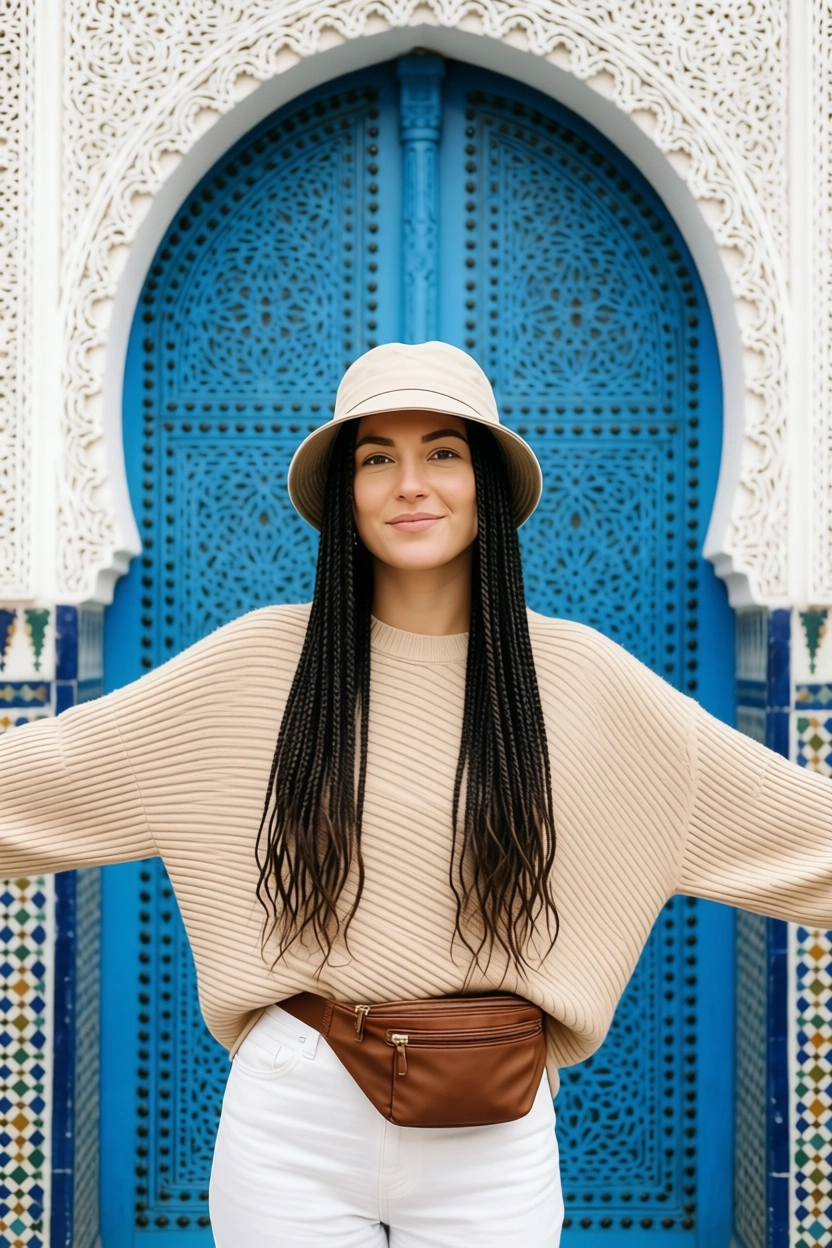
• Light Jackets and Cardigans: For cooler evenings or mountain visits, pack a denim jacket, a lightweight sweater, or a packable down jacket.
Shop the look:
Traditional garments like the kaftan (a flowy dress often worn for celebrations) and the djellaba (a hooded robe for daily life) are beautiful and functional choices. Many travelers find that locally purchased gandoras or caftans are “gold” because they are light, airy, and frequently complimented by locals.
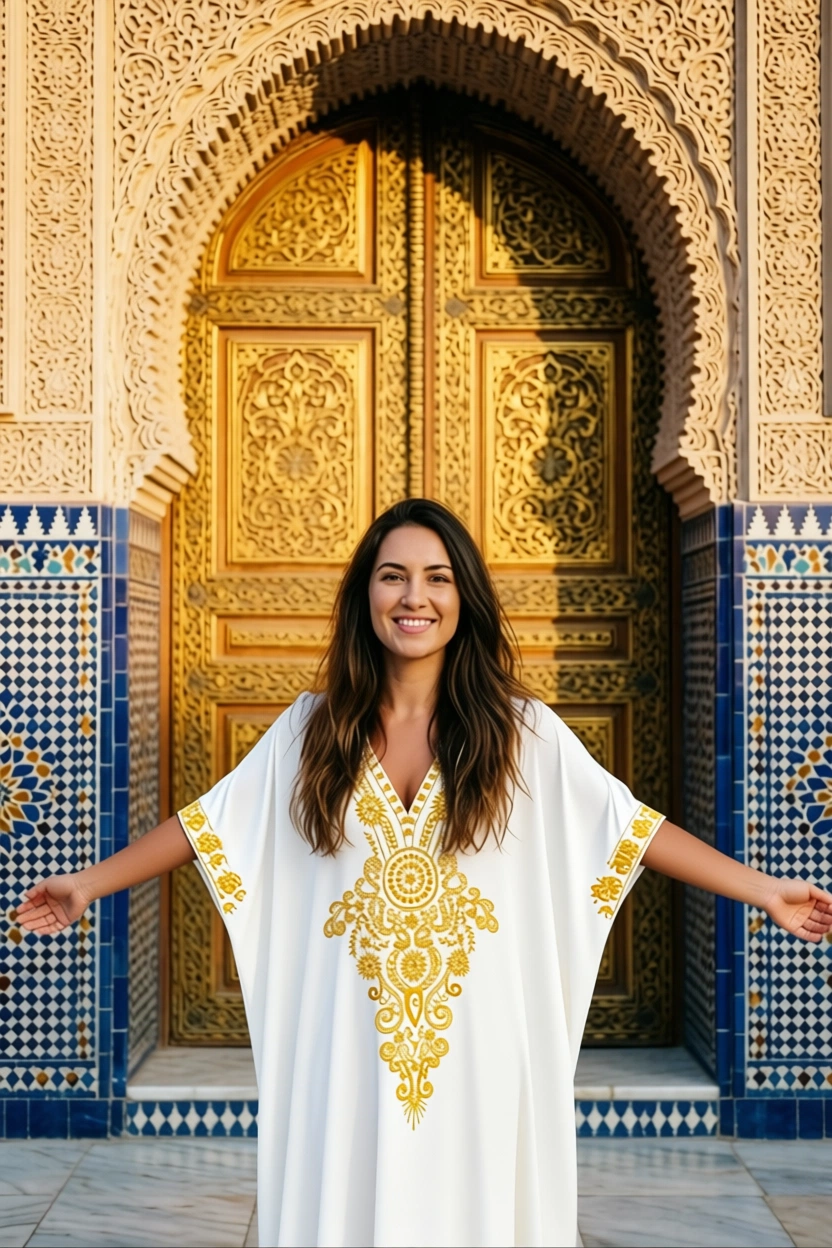
Shop the look:
• The Scarf: No outfit is complete without a versatile scarf. It serves as sun protection, an extra layer for cool evenings, and a quick cover-up for your head or shoulders when visiting religious sites like the Hassan II Mosque.
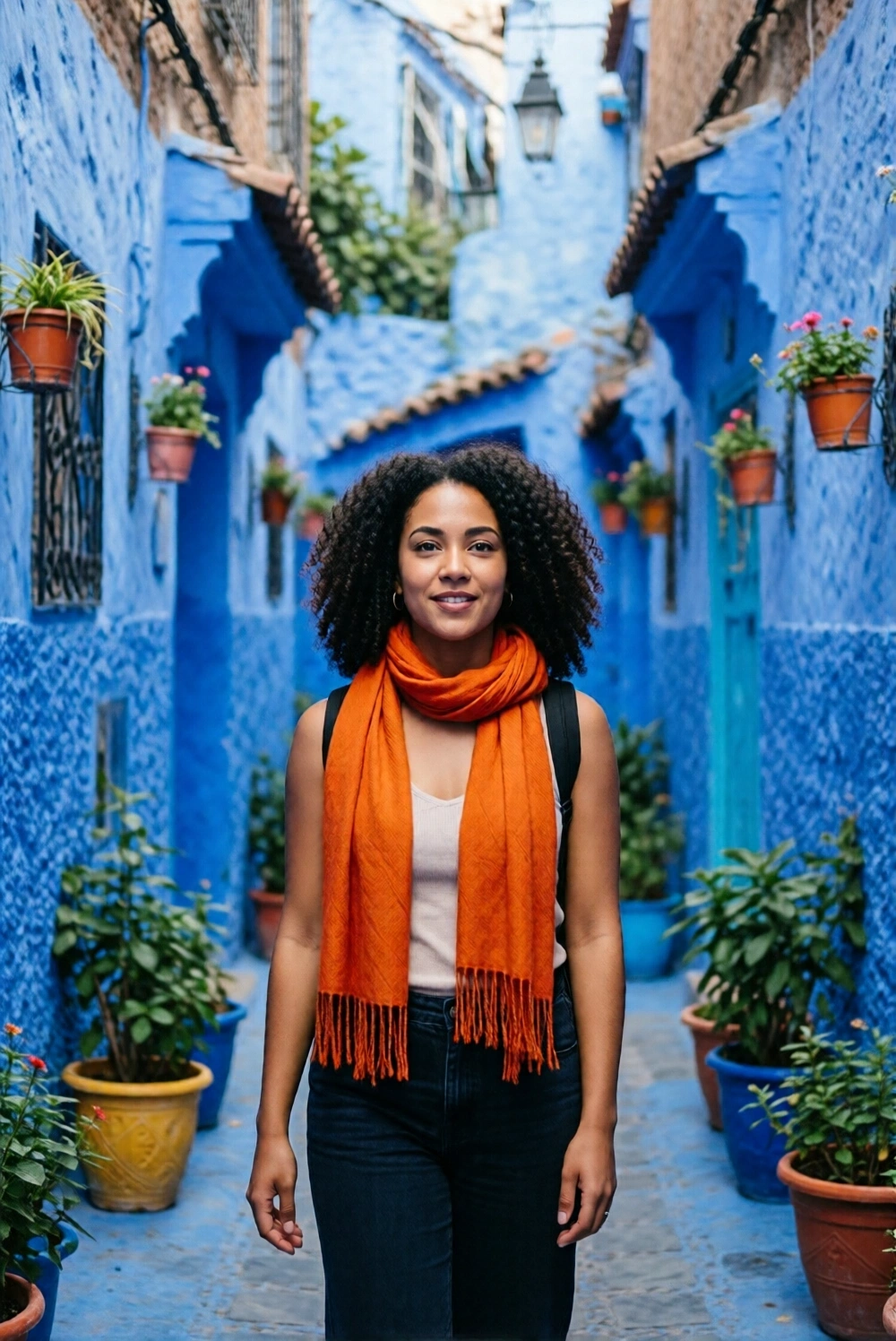
Shop the look:
• Sun Protection: A wide-brimmed straw hat and UV-blocking sunglasses are non-negotiable for the intense sun.
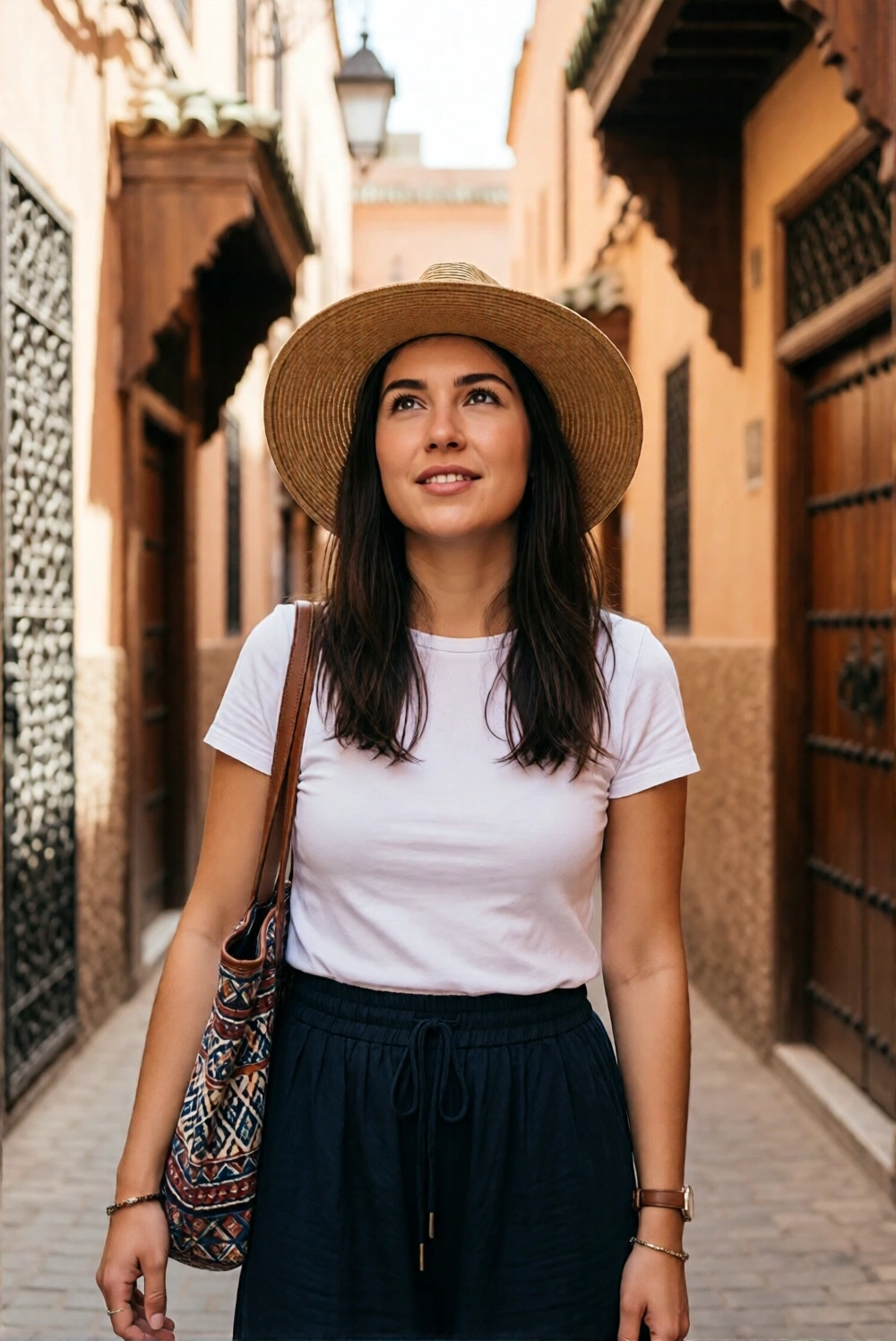
Shop the look:
• Secure Bags: Choose a crossbody bag with a secure zipper or a slash-proof anti-theft bag to navigate crowded souks safely.
Moroccan streets are often uneven, dusty, and sometimes grimy due to animal traffic.
• Walking Shoes: Comfortable, closed-toe sneakers or supportive flats are highly recommended for exploring medinas.
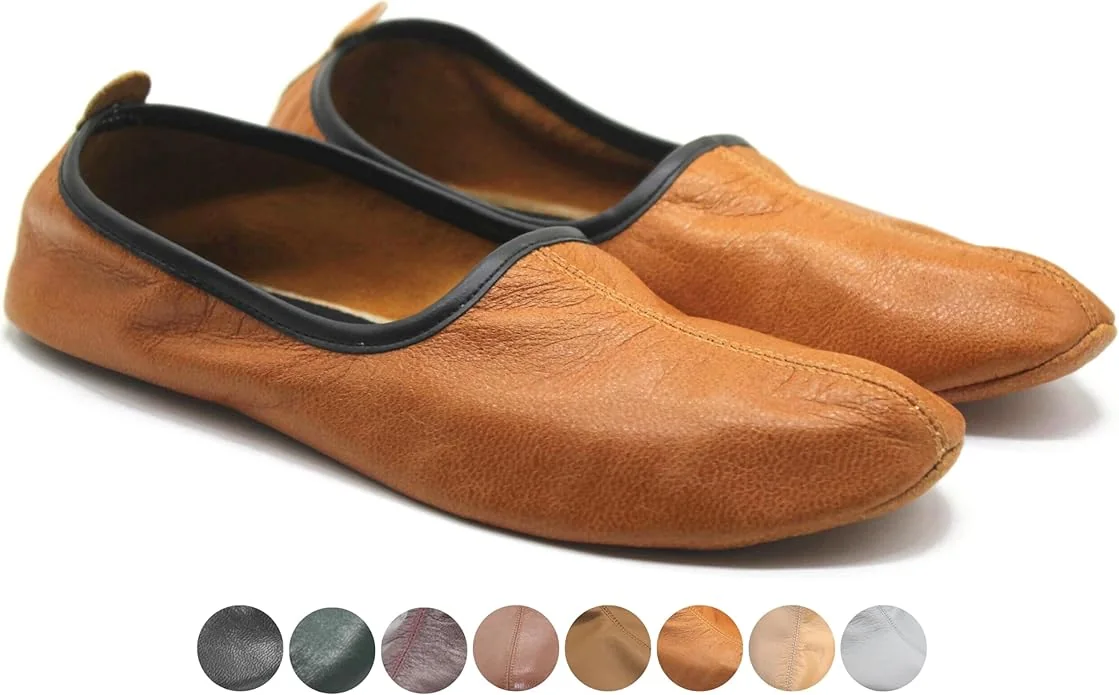
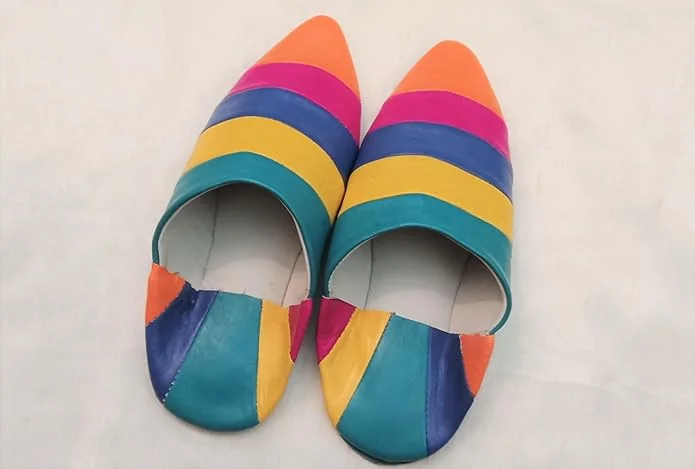
• Traditional Slippers: Consider purchasing Babouches (leather slippers) or Balgha for shorter walks or when visiting a riad.
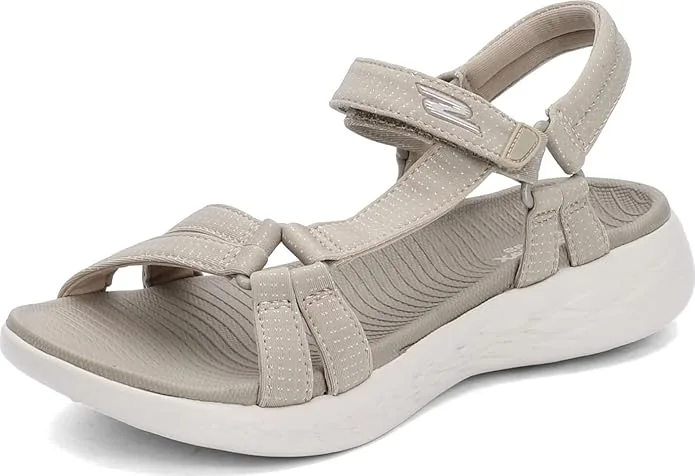
• Sandals: Sturdy sandals with grip are great for heat, but avoid thin flip-flops for long city walks.
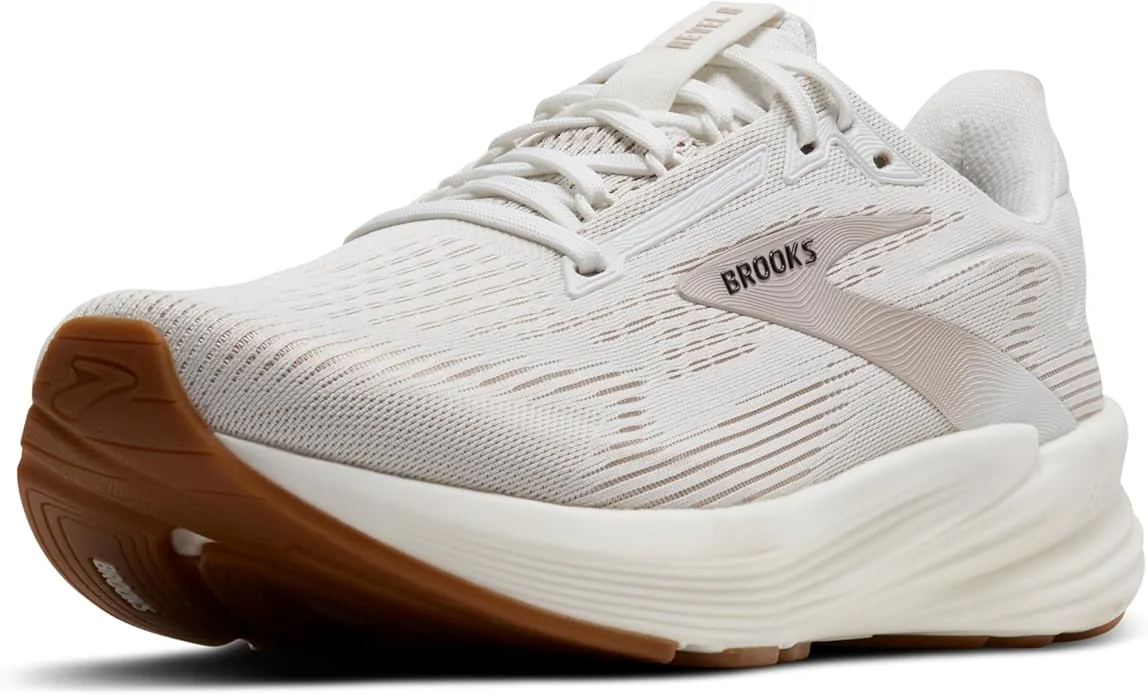
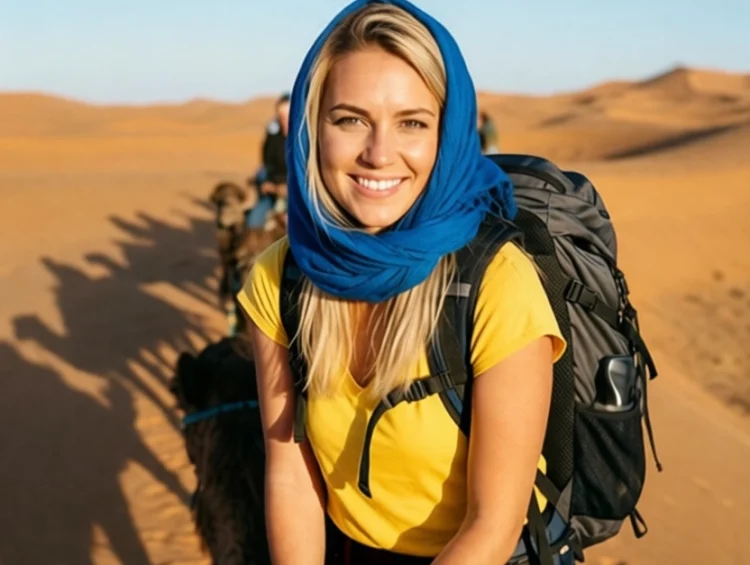
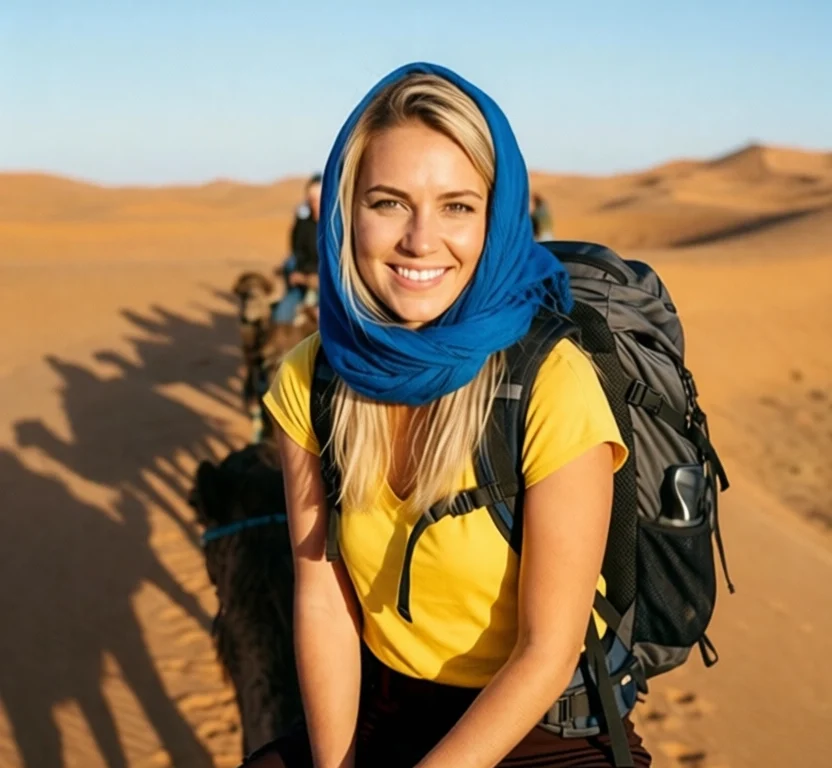
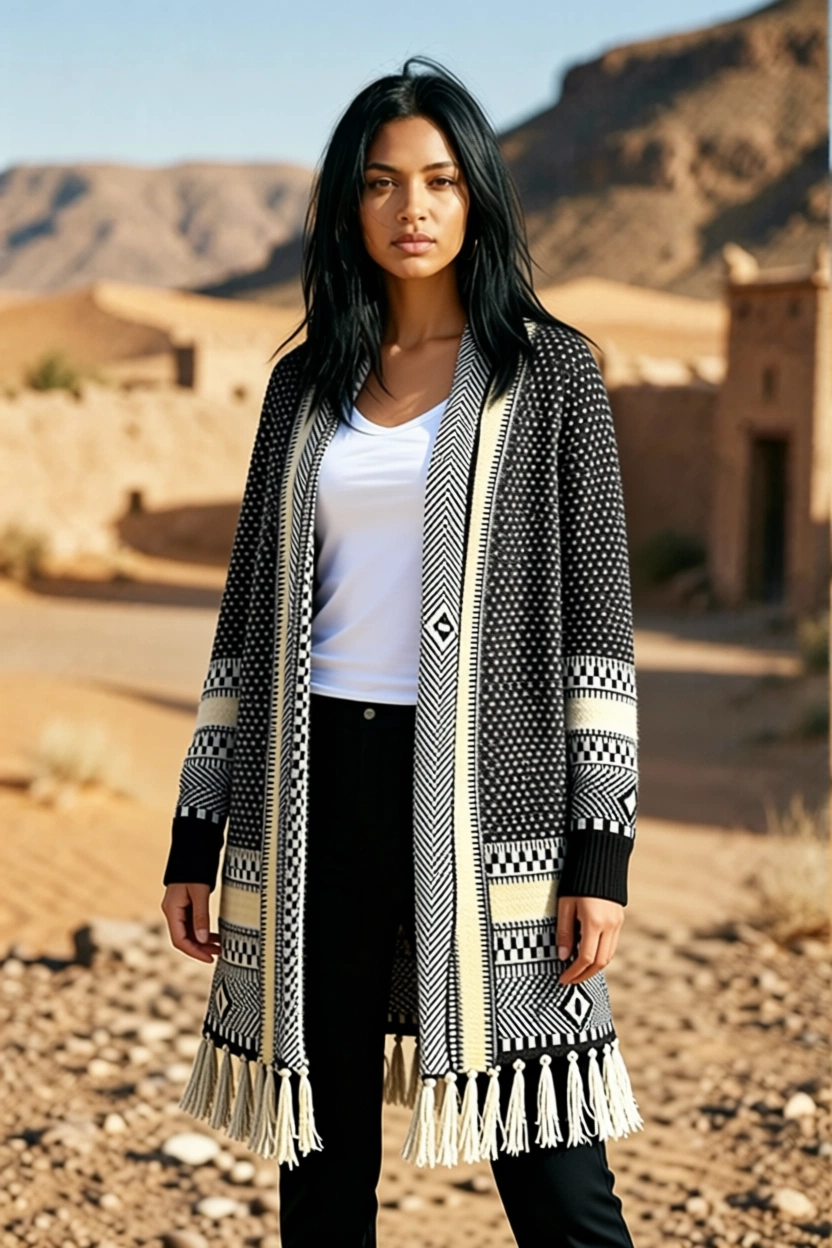
• The Sahara Desert: Prepare for dramatic temperature shifts—hot days and cold nights. Pack loose-fitting long sleeves for sun protection and a warm fleece or jacket for after sunset. For camel riding, opt for harem pants or sturdy trousers to ensure comfort.
Shop the look:
• The Atlas Mountains: If hiking, sturdy boots with grip and moisture-wicking layers are essential, as mountain air is significantly cooler.
Shop the look:
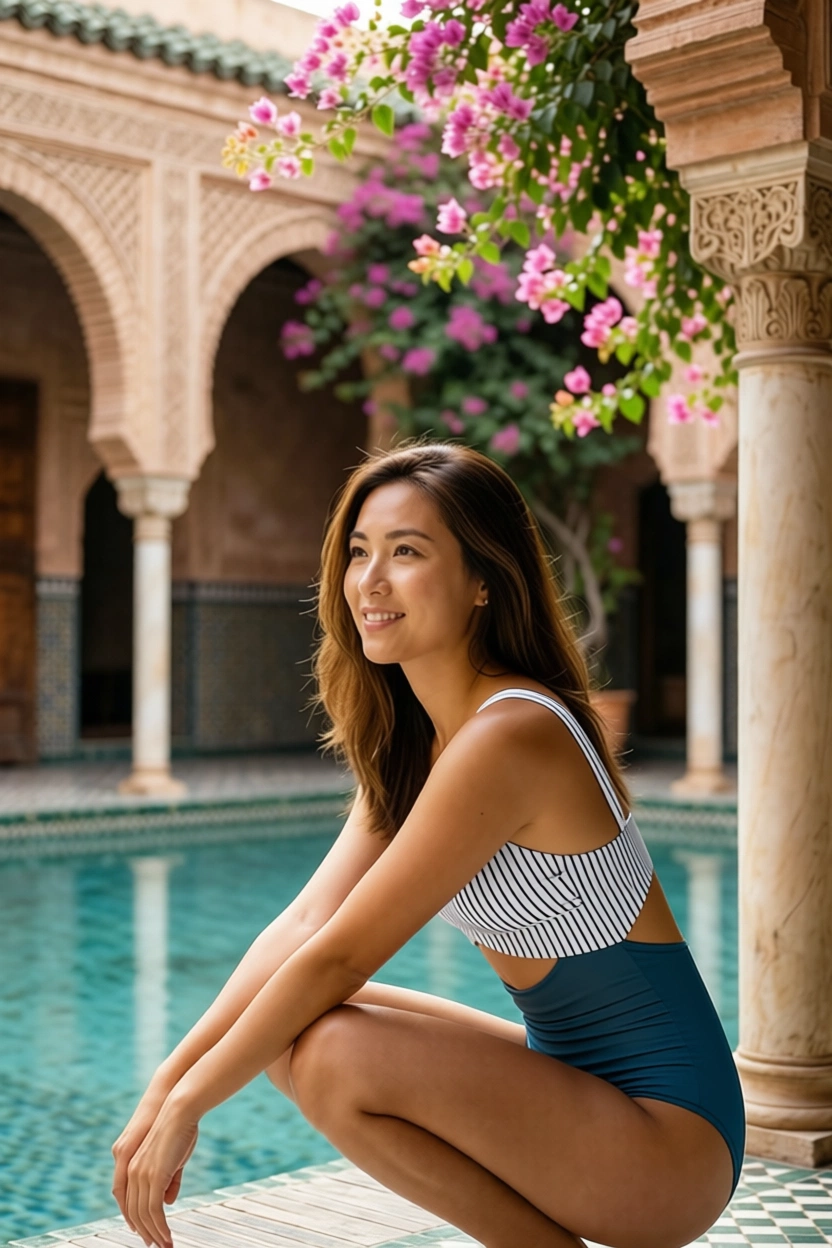
• Beaches and Pools: Bikinis are acceptable at hotel pools and private beach clubs. However, always use a modest cover-up when leaving the water to walk through town.
Shop the look:
When packing, keep the “3 Cs” in mind: Comfort, Climate, and Customs. By choosing loose silhouettes, breathable fabrics, and versatile layers, you will not only look amazing in photos but also feel confident and welcomed in this captivating country. Don’t be afraid to leave room in your suitcase—Moroccan souks and designer boutiques like Hanout offer stunning, custom-tailored pieces that will become the highlights of your wardrobe.