 Olivia
 Traveling to Thailand offers a vibrant mix of bustling cityscapes, serene temples, and tropical islands, but packing for such a diverse itinerary requires a careful balance of style, comfort, and cultural respect. The tropical climate is hot and humid year-round, making your choice of fabric the most important decision you’ll make.
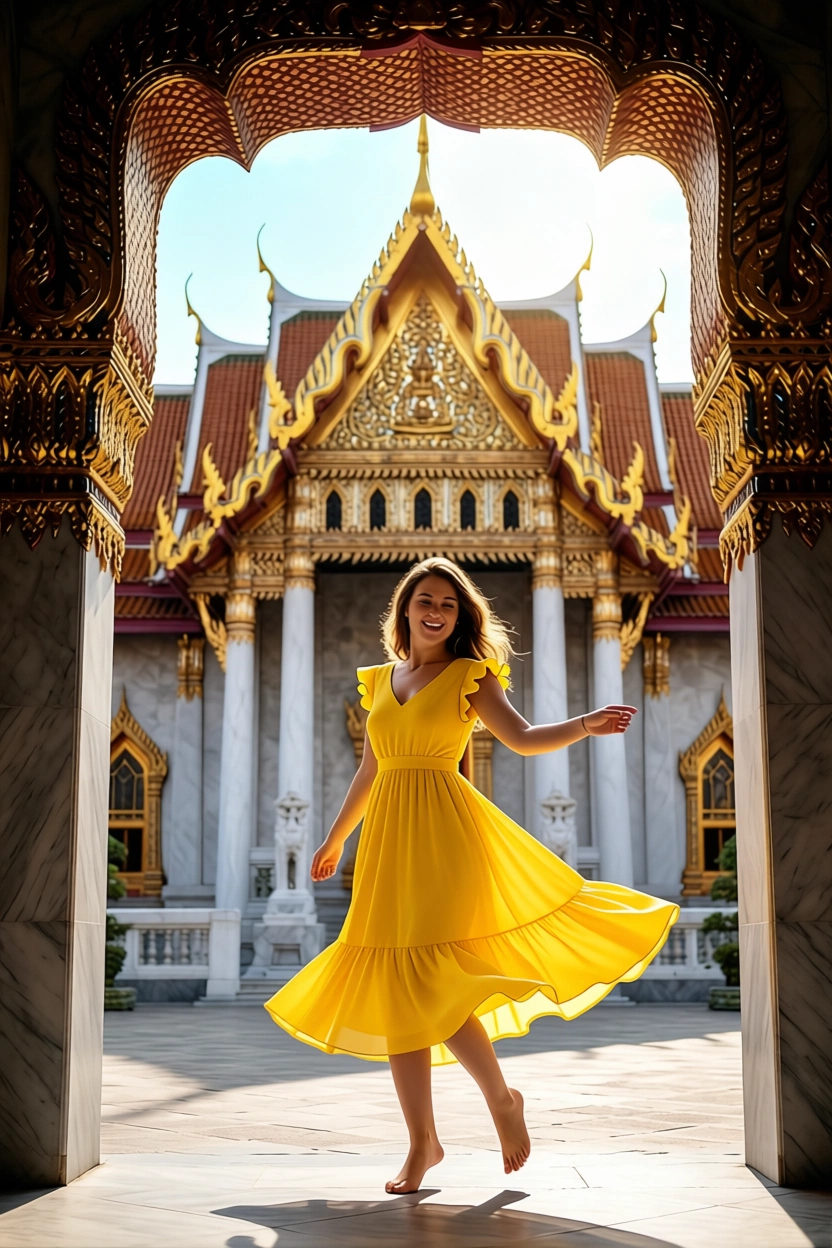
Shop the look:
In Thailand’s heat, synthetic materials like polyester trap moisture and can make you miserable. Instead, prioritize natural, breathable fabrics that allow for air circulation and quick drying.
• Linen: Highly recommended for its wicking properties and breathability.
• Cotton and Rayon: Light options like cotton voile or rayon provide a stylish drape while keeping you cool.
• Bamboo and Silk: These are excellent for the humid climate and add a touch of luxury to your travel wardrobe.
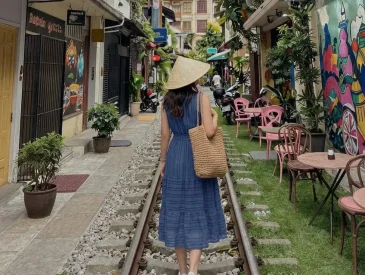
Urban adventures in cities like Bangkok call for outfits that are “casual but put-together”.
• The Sightseeing Look: A popular combination is a floral midi skirt paired with a fitted white shirt and comfortable sneakers. For a more utilitarian vibe, try a linen romper paired with gladiator sandals for a breathable, “casual-chic” summer essential.
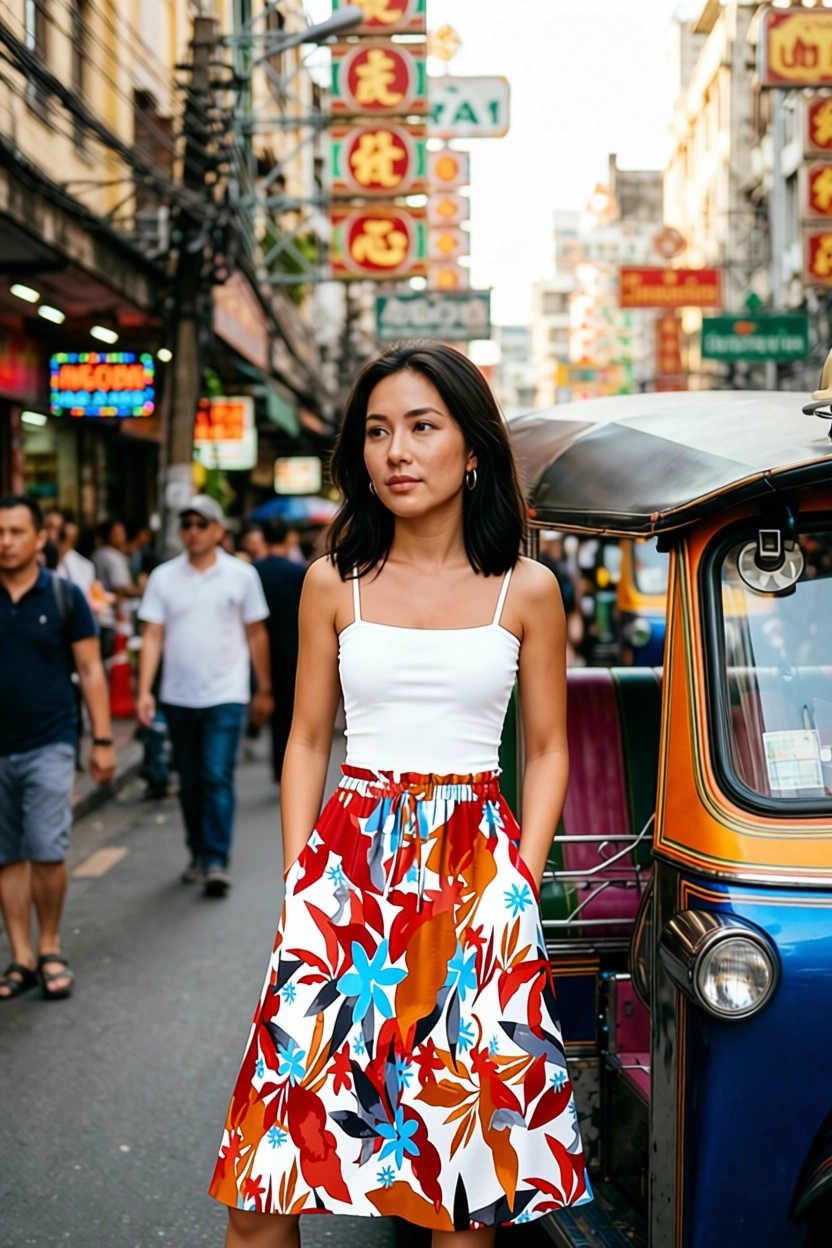
Shop the look:
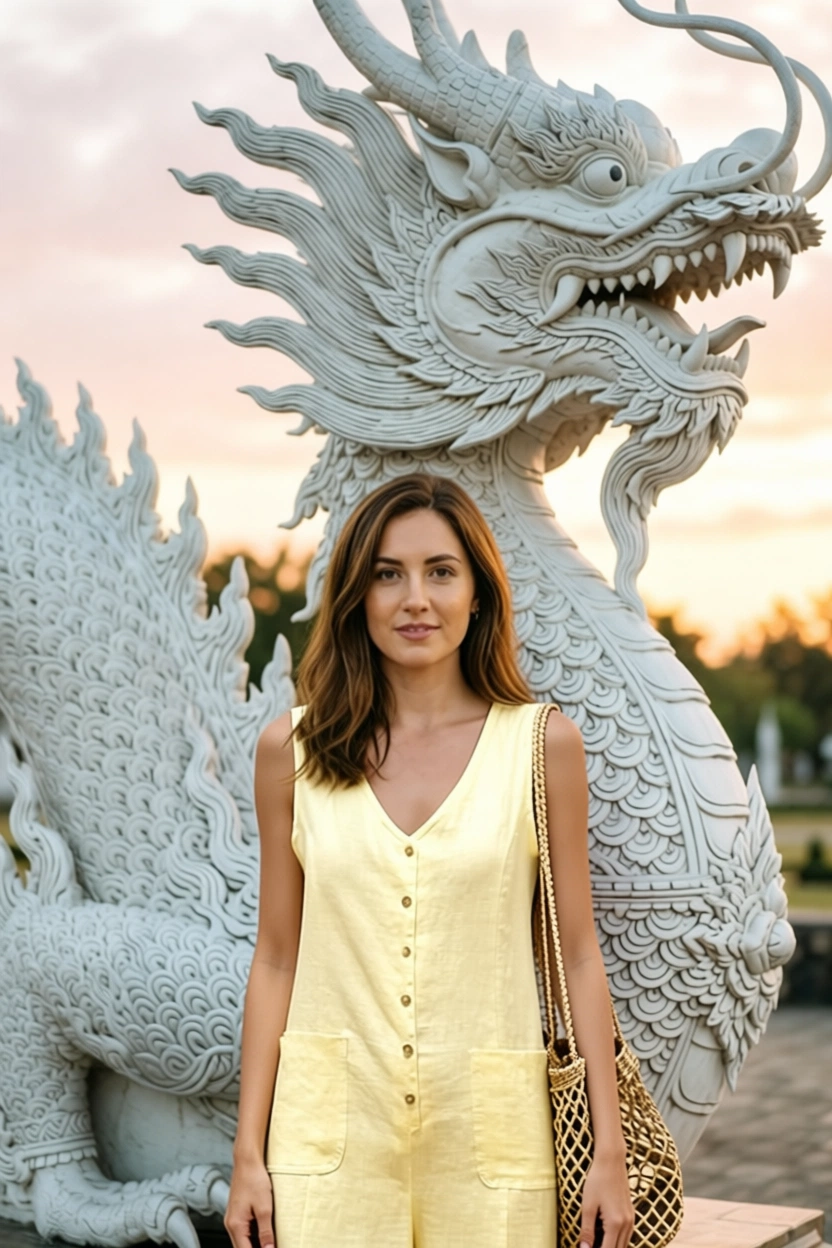
Shop the look:
• Rooftop Glamour: Many of Bangkok’s legendary rooftop bars have strict dress codes—avoid flip-flops and sportswear. Opt for a satin cowl neck top with white denim shorts or a chic jumpsuit to fit in with the stylish local crowd.
• The AC Layer: While it’s sweltering outside, malls, cinemas, and trains often blast the air conditioning. Always carry a lightweight scarf, cardigan, or kimono to avoid the “AC chill”.
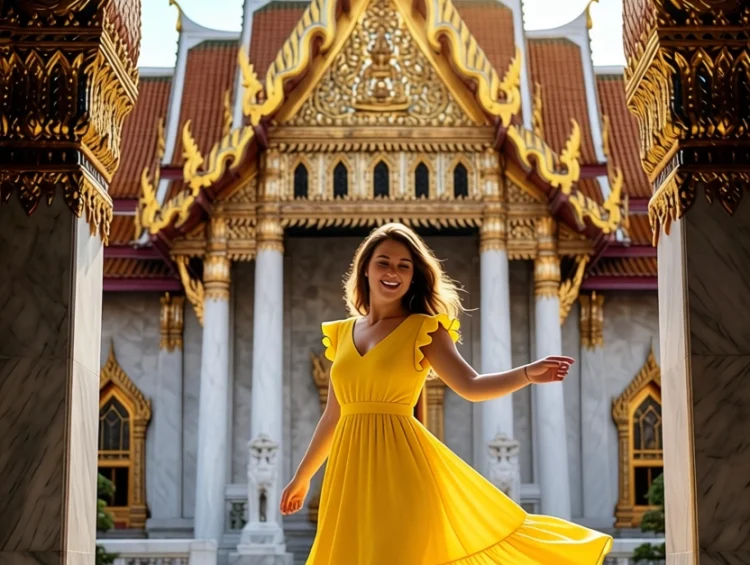
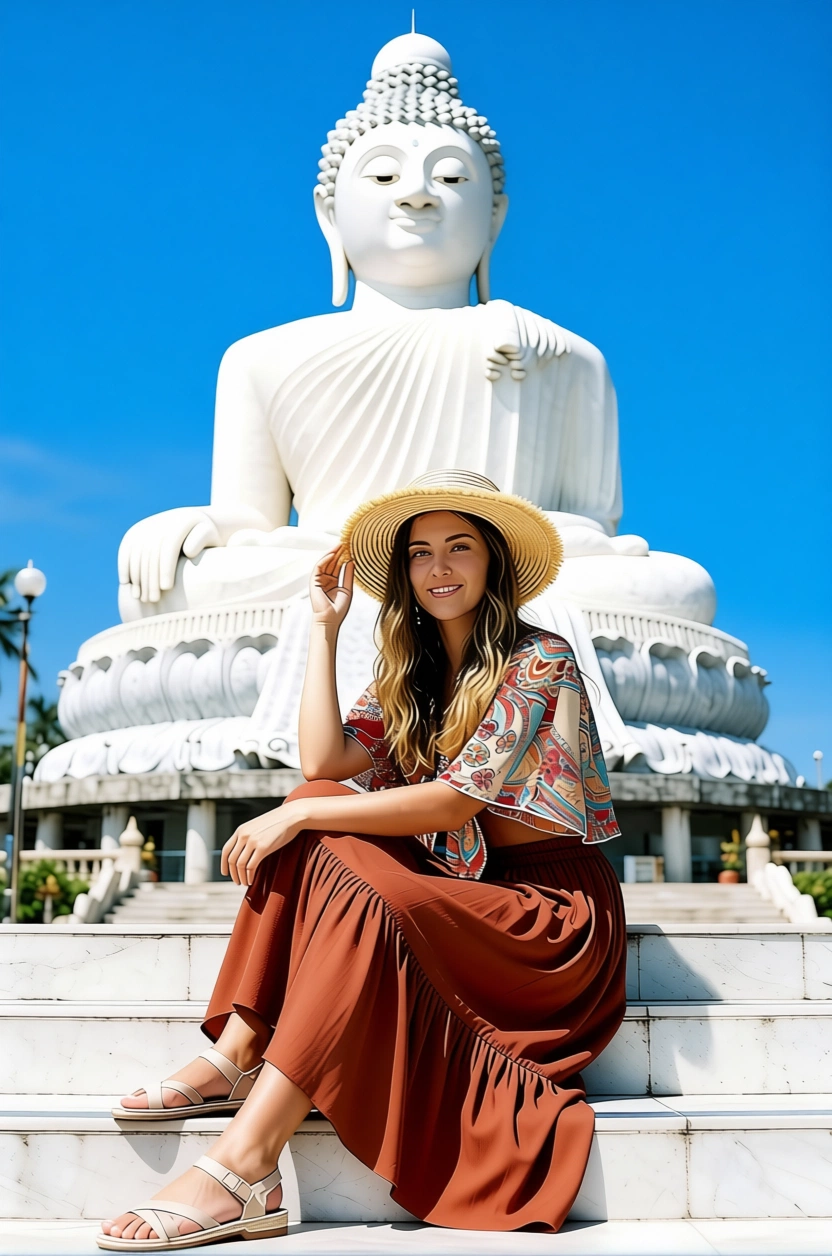
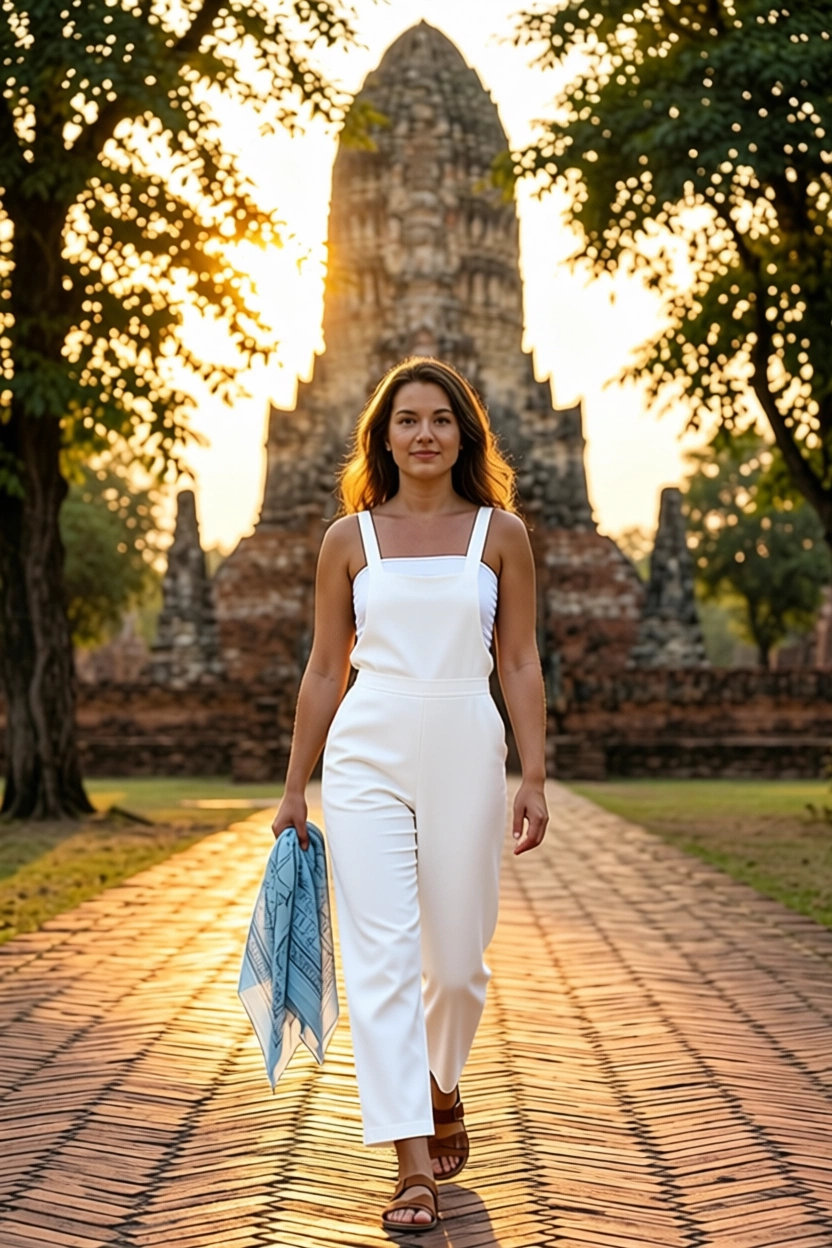
Visiting sacred sites like the Grand Palace or Wat Arun requires a specific dress code: shoulders and knees must be covered.
• Temple Outfits: A long maxi dress with capped sleeves or a midi skirt paired with a short-sleeved blouse are perfect choices.
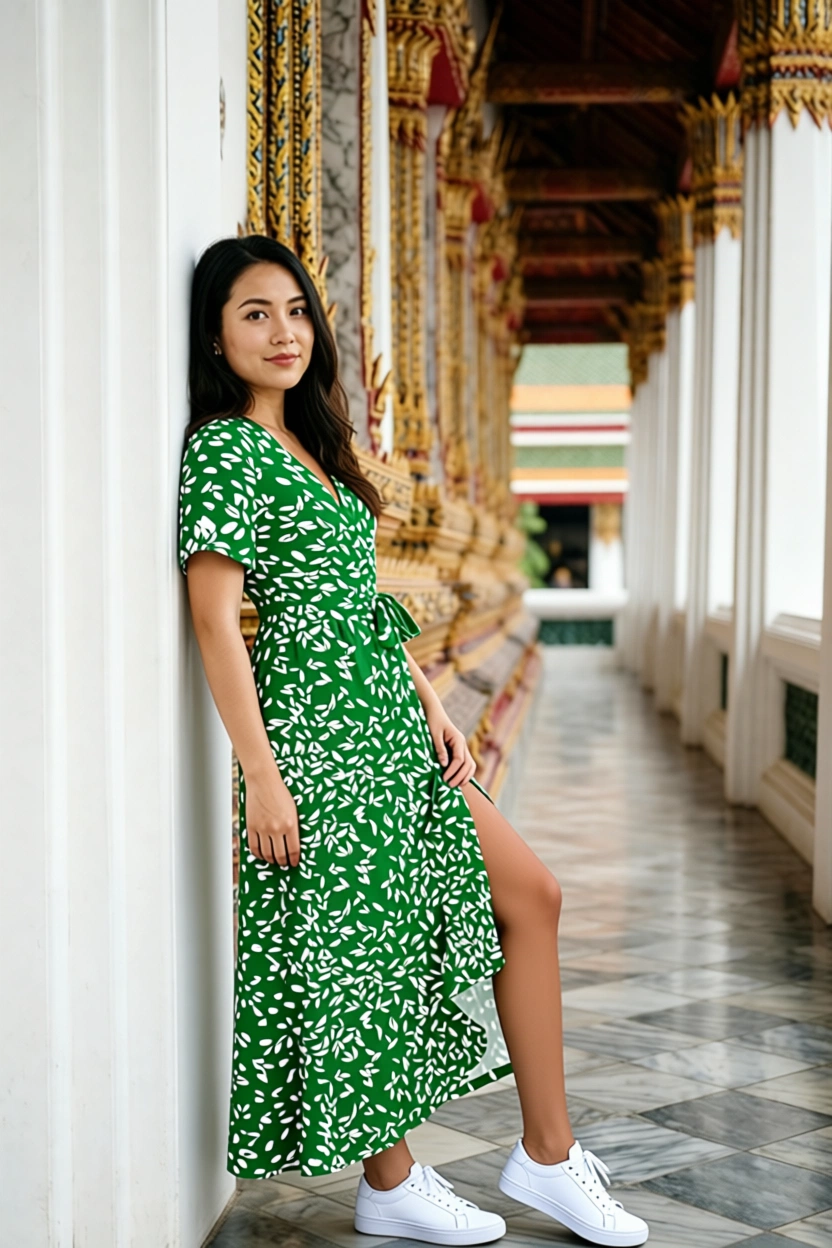
Shop the look:
Shop the look:
• The Sarong Strategy: If you’re wearing a tank top and shorts for the heat, keep a sarong or shawl in your bag. You can quickly wrap it around your waist as a skirt or drape it over your shoulders to gain entry to religious sites.
Shop the look:
• Footwear Etiquette: You must remove your shoes before entering temple buildings. Wear slip-on sandals to make this transition easy, and consider bringing socks if you want to avoid walking barefoot on tiled floors that can get painfully hot in the sun.
On the islands of Phuket, Koh Samui, or Krabi, the dress code is much more relaxed, but local modesty still matters.
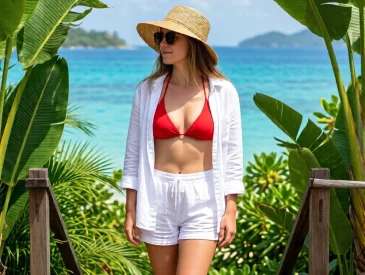
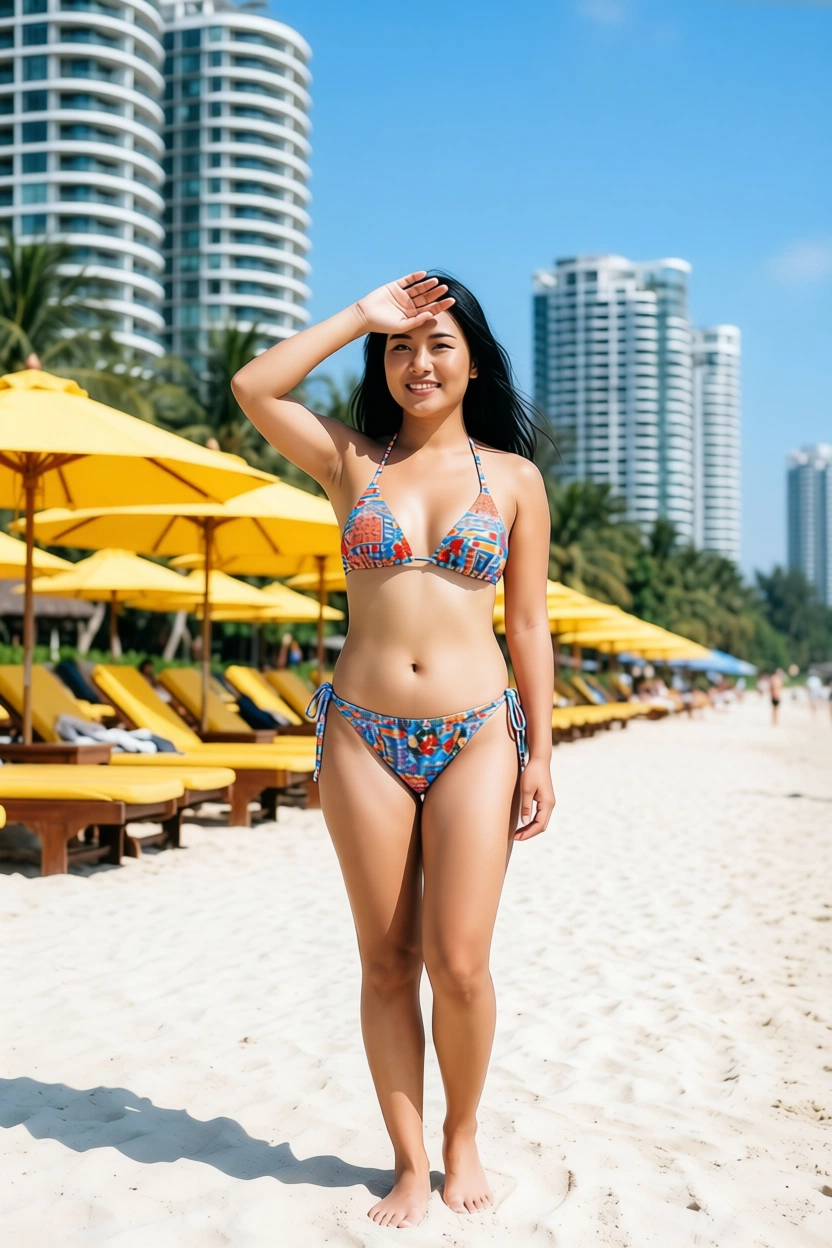
• On the Sand: Bikinis and vibrant swimsuits are standard for the beach. For active water days, UPF-protective rash guards or long-sleeved swim shirts are recommended to prevent intense sunburn.
Shop the look:
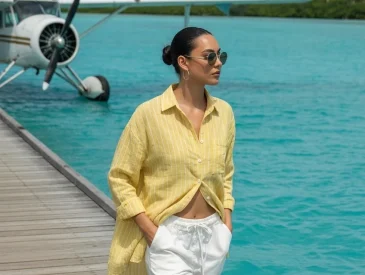
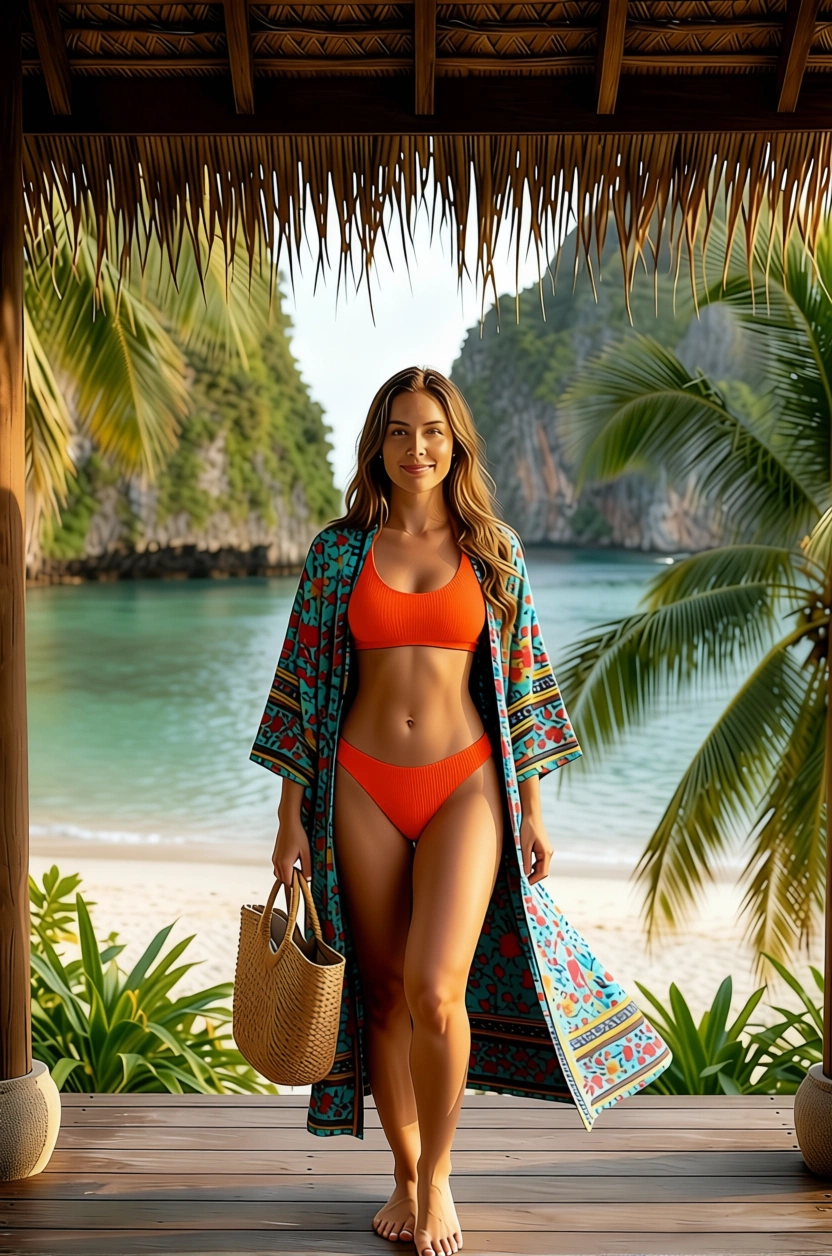
• Leaving the Beach: It is considered disrespectful to walk through towns, supermarkets, or massage parlors in just a swimsuit. Use a stylish cover-up, linen button-down, or a lightweight kimono when transitioning from the ocean to a café.
Shop the look:
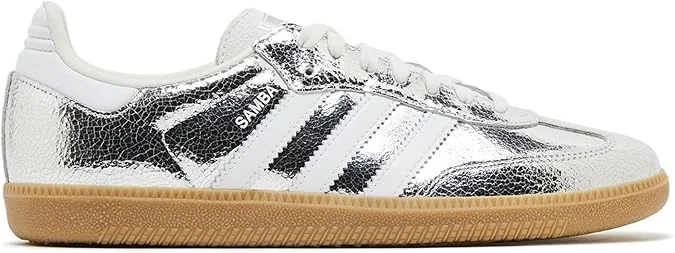
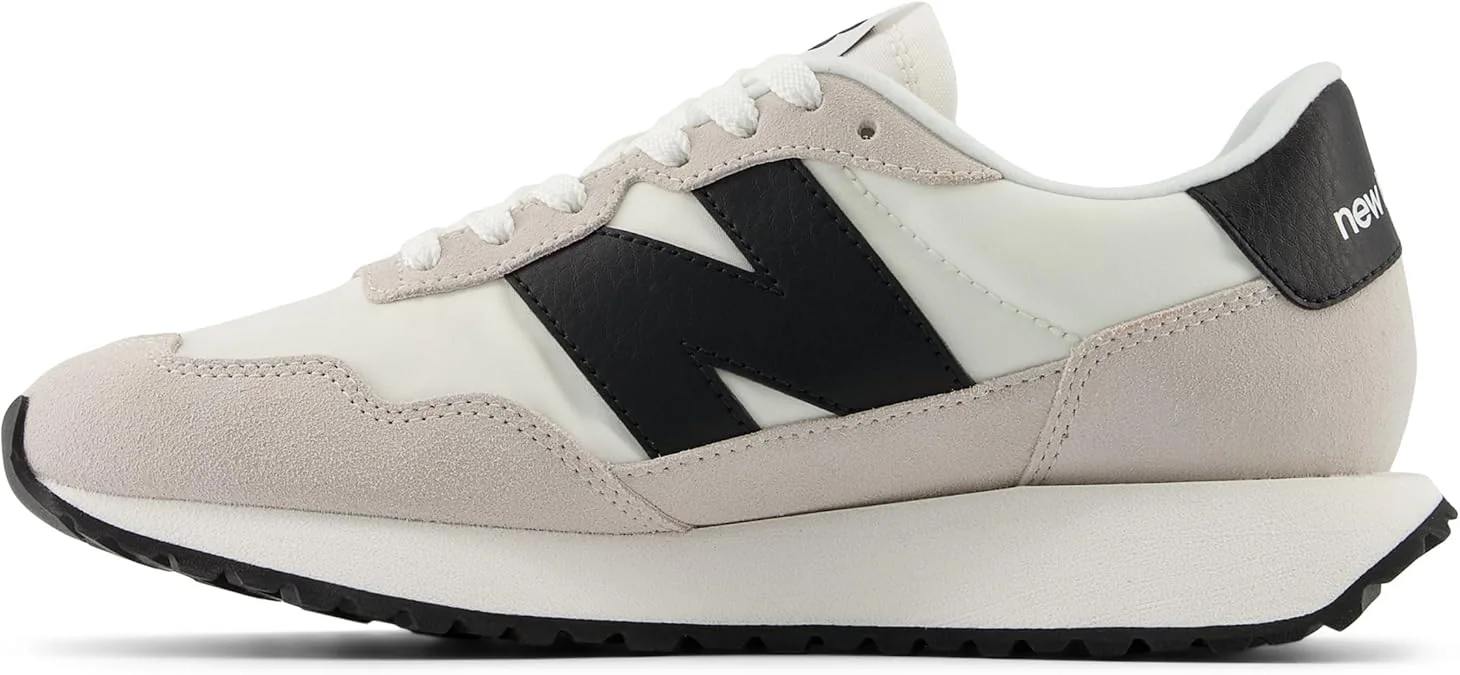
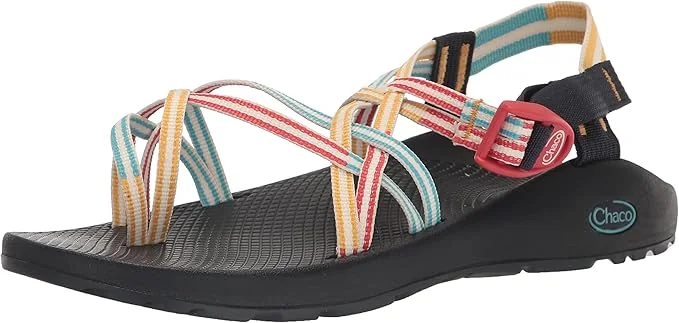
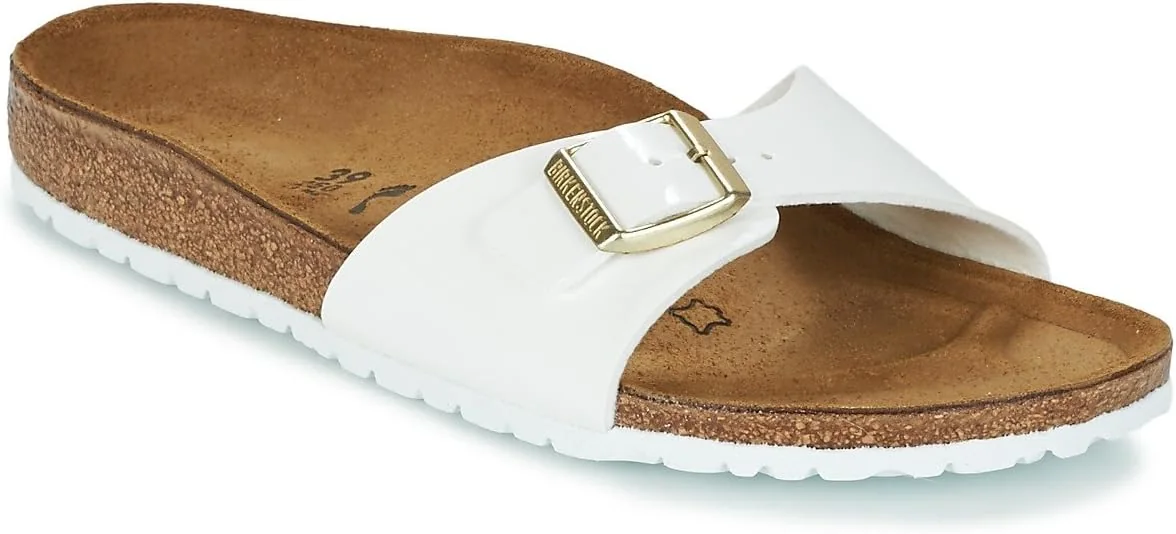
• Walking Shoes: You will likely walk thousands of steps daily. Comfortable sneakers (like New Balance or Adidas Sambas) or supportive sandals (like Teva, Chaco, or Birkenstock) are travel essentials.
• Sun Protection: A wide-brimmed straw hat and polarized sunglasses are non-negotiable for protection against the equator-strength sun.
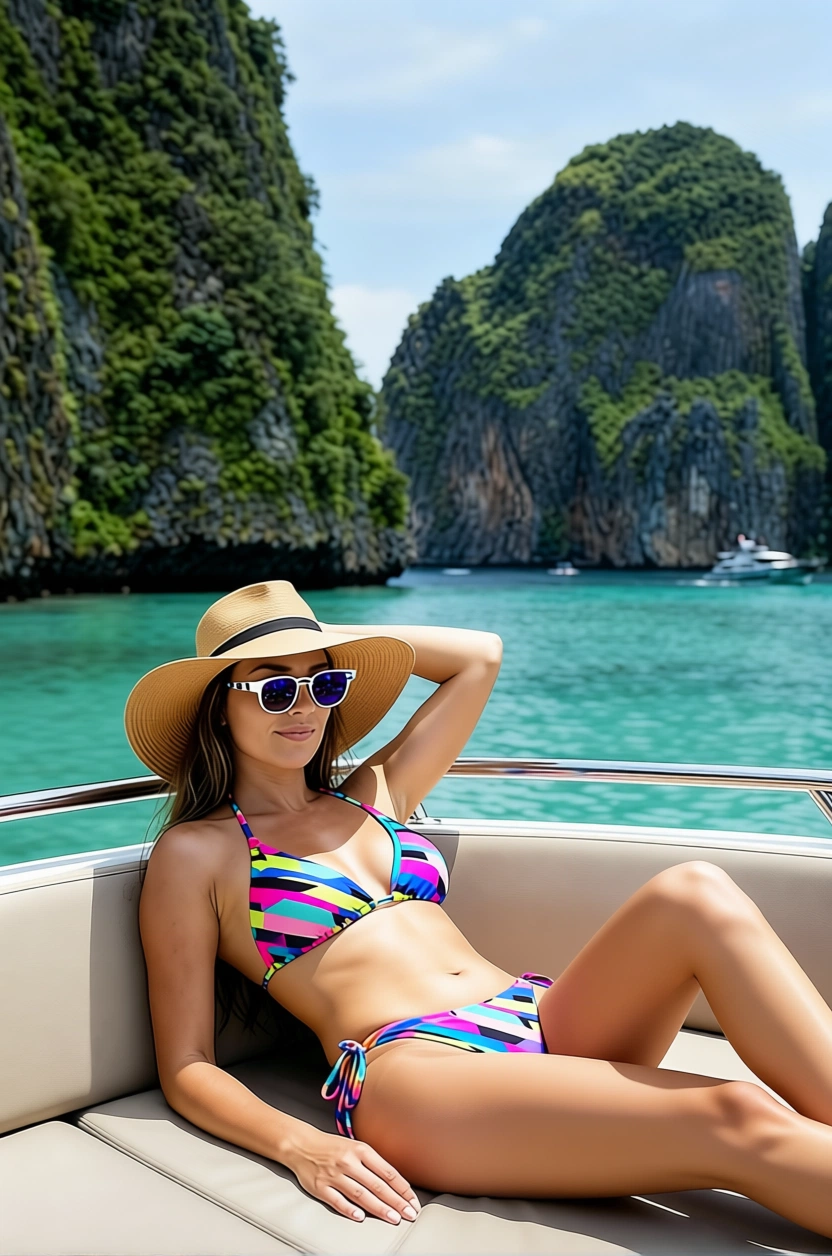
Shop the look:
• The “Elephant Pant” Phenomenon: You will see these loose, patterned pants everywhere. They are cheap, comfortable, and temple-appropriate, making them a favorite “souvenir” to wear during the trip.
Thailand has affordable and widely available laundry services, often costing less than $2 per kilogram. Instead of overpacking, aim for a one-week capsule wardrobe and have your clothes washed as you go.
Analogy for Understanding Modesty: Think of Thailand’s social etiquette as a “PG-13 corner of Utah on a hot day”. While locals are used to tourists baring skin, staying “more covered than not” is a sign of respect that is often rewarded with better service and warmer smiles.